

A new year always brings a sense of hope and possibility. It is a chance to start fresh and move closer to the person you want to become. I’ve made my fair share of resolutions over the years—some stuck, others faded away. But I’ve noticed that the ones rooted in something bigger than myself, those that connect to a greater purpose, are the ones that truly last, such as community service and eco-friendly New Year’s resolutions.
A Quick Background Story
As I write this first post for the site, I find myself reflecting on the past year and the challenges my community faces. Social issues like poverty and unemployment are still present, but what weighs most heavily on my heart is the ongoing destruction of our environment.
On November 2, Typhoon Tino struck the Philippines, making landfall in my home province of Cebu. The floods that followed destroyed homes and claimed hundreds of lives, leaving many families still searching for loved ones and beginning the long journey of recovery. The pain and loss linger, but so does the call to act.

That’s why 2026 feels different, not just for me, but for anyone ready to join in. This year, it’s about more than personal change. We’re at a moment where every choice we make can help shape a better future for our planet.
Sustainable living has always been close to my heart, but this year, I’m stepping up to become an active advocate. That’s the spirit behind this site—to share, learn, and grow together.
The Challenge: Pick Just 1 of the Eco-Friendly New Year’s Resolutions and Stick to It
If you’ve been wanting to live more sustainably but aren’t sure where to begin, you’re in good company. These New Year’s resolutions aren’t about changing everything at once or buying expensive eco-products. They’re about simple, practical steps that make a real difference for you and for the planet.
It’s true that most resolutions fade by February. But sustainable changes tend to last because they improve life in so many ways. You’ll feel good, save money, and know you’re helping create a brighter future.
Why 2026 Is Your Year for Eco-Friendly New Year’s Resolutions
There’s no better time than now. Sustainability is no longer just a niche idea—it’s become a necessity for all of us. The good news is that our choices, together, are already making a difference. By setting eco-friendly goals for 2026, you’re joining millions of others who are showing that small actions, multiplied, can create real change.
Sustainable living is more accessible than ever before. Solar panels are more affordable, plant-based foods are tastier and often cheaper, and zero-waste and secondhand options are everywhere. You’re not alone in this! There’s a whole movement ready to welcome and support you.
If you’re ready to make this your most meaningful year yet, here are ten resolutions to help you create positive change for yourself and the world around you.
Resolution 1: Switch to Reusable Alternatives
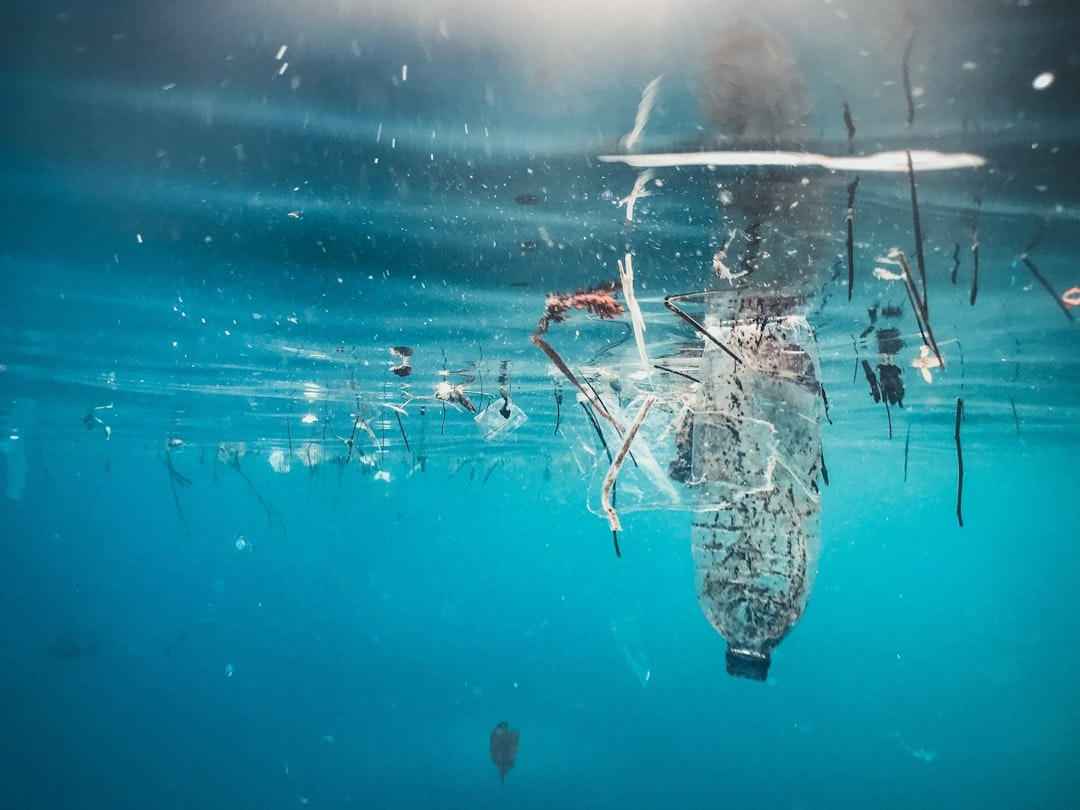
The Impact: A single person switching to reusables eliminates roughly 700 items from landfills each year. That’s 28,000 pieces of trash over an average lifetime.
Your Action Plan:
- Week 1: Replace plastic bags with 3-4 reusable shopping bags (keep one in your car, one in your purse/backpack)
- Week 2: Swap paper towels for washable cloth alternatives
- Week 3: Get a quality reusable water bottle (you’ll save $400+ yearly on bottled water)
- Week 4: Add reusable produce bags, food containers, and coffee cups to your routine
The best part? By cutting out single-use items, you could save over $850 a year. That amount of money that can go toward something you truly value.
Resolution 2: Reduce Food Waste by 50%
The Impact: Food waste generates 8-10% of global greenhouse gas emissions. When organic matter decomposes in landfills without oxygen, it produces methane, a greenhouse gas 25 times more potent than carbon dioxide. Cutting your household food waste in half prevents approximately 1,200 pounds of CO2-equivalent emissions each year. That’s like taking your car off the road for six weeks.
Your Action Plan:
- Start an “eat first” shelf in your fridge for items nearing expiration.
- Meal plan before grocery shopping (saves money and prevents overbuying)
- Learn proper food storage techniques (your vegetables will last twice as long)
- Master the art of creative leftovers. Last night’s roast chicken becomes today’s tacos.
- Freeze excess ingredients before they spoil.
Pro tip: Take a weekly “fridge inventory” photo on your phone. When you’re out shopping, check it before buying duplicates.
Resolution 3: Start Composting
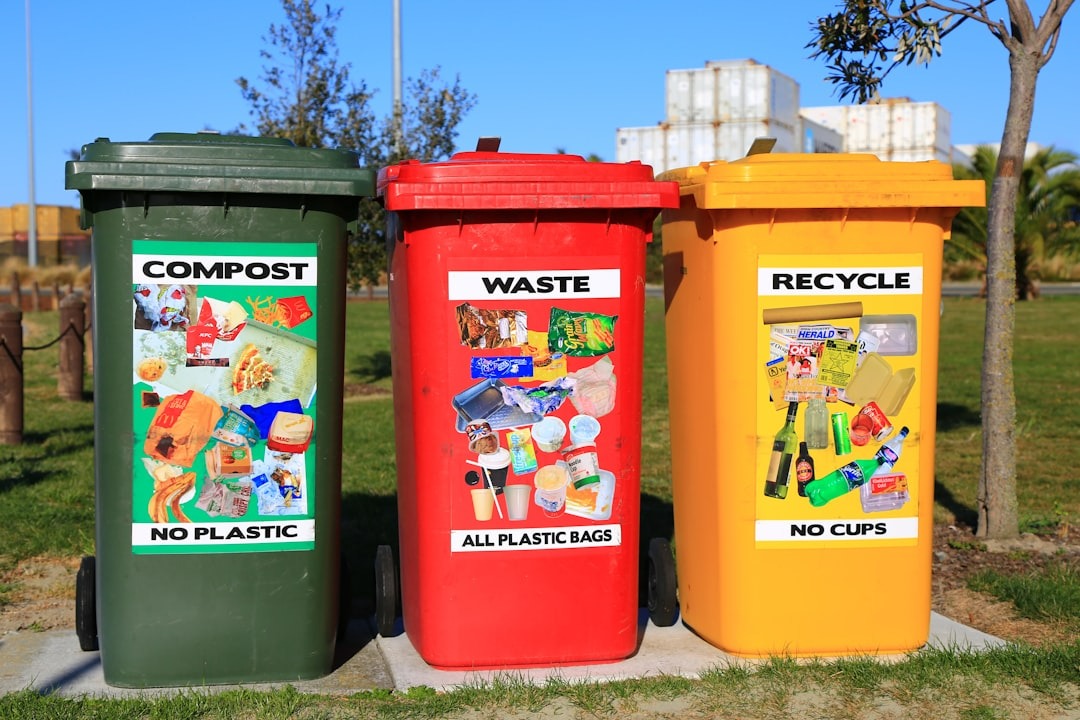
The Impact: Composting isn’t just about reducing waste; it’s about regenerating soil. When you compost organic matter, you create nutrient-rich material that sequesters carbon, improves soil structure, and reduces the need for chemical fertilizers (which require significant energy to produce). One cubic yard of compost can sequester 50-100 pounds of carbon.
Your Action Plan:
- Choose your method: backyard bin, apartment-friendly bokashi system, or worm composting.
- Start with the easy stuff: fruit and vegetable scraps, coffee grounds, eggshells, yard waste.
- Learn the brown/green balance (aim for 3 parts browns like dried leaves to 1 part greens like food scraps)
- If you don’t have garden space, find a community compost drop-off or offer finished compost to neighbors with gardens.
The ripple effect is real: finished compost means less need for chemical fertilizers and more nourishment for the earth. It’s a simple way to give back and help things grow.
Resolution 4: Build a Capsule Wardrobe
The Impact: The fashion industry produces 10% of global carbon emissions. That’s more than international flights and maritime shipping combined. It takes 2,700 liters of water to make one cotton t-shirt (enough drinking water for one person for 2.5 years). Fast-fashion items are worn an average of just 7 times before disposal.
Your Action Plan:
- Audit your current wardrobe. You probably wear 20% of your clothes 80% of the time.
- Define your personal style and color palette.
- Aim for 30-40 versatile, high-quality pieces that mix and match.
- Apply the “cost per wear” calculation: a $100 jacket worn 100 times costs $1 per wear.
- Implement a one-in-one-out rule: buy something new only when replacing something worn out.
Building a capsule wardrobe isn’t about having less. It’s about choosing with intention. You’ll save time, money, and space, all while feeling more comfortable and confident in what you wear.
The Real Impact: Extending the life of your clothing by just nine months reduces carbon, water, and waste footprints by 20-30% each.
Resolution 5: Shop Secondhand First
The Impact: Every secondhand purchase prevents new production, which saves the raw materials, energy, water, and transportation emissions required to manufacture and ship new items. Buying one secondhand item instead of new reduces your carbon footprint by 82% for that purchase.
Your Action Plan:
- Bookmark your favorite thrift stores, consignment shops, and online secondhand platforms.
- Before buying anything new, spend 15 minutes checking secondhand options first.
- Join local “Buy Nothing” groups and community swap events.
- Sell or donate your own unused items to keep the circular economy flowing.
Secondhand shopping is easier and better than ever. With so many online options, you can find exactly what you need by size, style, or brand. No digging required (unless you love the thrill of the hunt!).

Resolution 6: Reduce Energy Consumption
The Impact: Residential energy use accounts for roughly 20% of greenhouse gas emissions in developed countries. Cutting your household energy consumption by 25% prevents approximately 5,000 pounds of CO2 emissions annually. That’s equivalent to not driving for three months.
Your Action Plan:
- Switch to LED bulbs throughout your home (90% less energy than incandescent, 25-year lifespan)
- Unplug phantom power drains: chargers, TVs, and gaming consoles drawing power on standby.
- Adjust your thermostat: 2°F reduces heating/cooling costs by 5%.
- Use cold water for laundry (90% of washing machine energy goes to heating water)
- Air-dry dishes and clothes when possible
Smart Investments: A programmable thermostat pays for itself within one year. Energy-efficient appliances reduce consumption by 10-50% depending on the category.
The best part is that using less energy means instant savings. Most households can save $200 to $500 a year with these simple changes. You’ll see your savings grow month after month.
Resolution 7: Choose Plant-Based Meals 3x Weekly
The Impact: Food production accounts for 26% of global greenhouse gas emissions, and animal agriculture is the primary source of those emissions. Producing one pound of beef requires 1,800 gallons of water and generates 27 pounds of CO2. Plant-based meals use 75% less water and produce 50-90% fewer emissions than meat-based meals.
Your Action Plan:
- Start with “Meatless Mondays” and add two more days weekly.
- Focus on delicious plant-based meals, not “fake meat” (beans, lentils, whole grains are nutritious and cheap)
- Master 5-6 plant-based recipes you genuinely love
- Explore global cuisines naturally rich in plant-based options: Indian, Mediterranean, Thai, and Mexican.
You don’t have to go fully vegan or vegetarian to make a difference. Even choosing plant-based meals a few times a week can lower your carbon footprint and save you money on groceries.

A helpful tip: try batch-cooking grains and beans at the start of the week. Having cooked rice, quinoa, or lentils ready makes it much easier to put together quick, healthy meals when life gets busy.
Resolution 8: Support Local Businesses
The Impact: Local businesses create more local jobs, circulate money in the community three times longer than chain stores, and significantly reduce transportation emissions. Food transported locally uses 4-17 times less fuel than food shipped across the country. Supporting local strengthens community resilience—the key to adapting to climate challenges.
Your Action Plan:
- Identify your neighborhood’s local shops: bookstores, cafes, hardware stores, farmers ‘ markets.
- Commit to buying 25% of non-grocery purchases locally (or from small online businesses).
- Shop farmers’ markets for seasonal produce.
- Choose local restaurants over chains for takeout.
- Tell friends about your favorite local finds.
Every time you support a local business, more of your money stays in your community—helping fund schools, infrastructure, and programs that benefit everyone.
Resolution 9: Learn One Repair Skill
The Impact: We’ve become a throwaway society. The average appliance lifespan has decreased by 30% since the 1990s, and 80% of discarded items could be repaired. Learning basic repair extends product lifecycles, keeps functional items out of landfills, and reduces demand for resource-intensive new production.
Your Action Plan:
- Choose a skill matching your interests: sewing (mend clothes), basic woodworking (fix furniture), small appliance repair, bicycle maintenance, electronics, and shoe repair.
- Find free YouTube tutorials or local repair cafes offering hands-on workshops.
- Start your first repair project within 30 days.
- Build a basic toolkit for your chosen skill.
- Share your new skill with friends and family.

Learning to repair things not only saves money but also gives you a sense of empowerment. There’s real satisfaction in fixing something and giving it new life.
Resolution 10: Educate and Inspire Others
The Impact: This might be the most powerful resolution on the list. Behaviors spread through social networks. When you adopt sustainable practices, people in your circle are significantly more likely to adopt them as well. Your visible choices normalize sustainability, and normalized behaviors scale exponentially.
Your Action Plan:
- Share what you’re learning naturally, without preaching (people hate being lectured)
- Lead by example: bring your reusable bags, order plant-based meals, and talk about the money you’ve saved.
- Answer questions when asked, but don’t push your choices on others.
- Use social media to share resources, not shame.
- Celebrate others’ sustainability wins, no matter how small
Focus on the positives, such as saving money, feeling healthier, discovering new favorites, and making life simpler. When we show how enjoyable sustainable living can be, others are more likely to join in.
Remember, everyone’s on a different part of this journey. Someone taking their first small step deserves the same celebration as someone who’s been living a zero-waste lifestyle for years.
The Psychology of Sustainable Habit Formation
Here’s the truth about green living resolutions: motivation gets you started, but systems keep you going.
- Start Small: Research from Stanford’s Behavior Design Lab shows tiny habits stick better than dramatic overhauls. Choose your easiest resolution first. Success breeds confidence and momentum.
- Stack Your Habits: Link new sustainable behaviors to existing routines. Already brush your teeth? That’s when you use your bamboo toothbrush. Already make coffee? That’s when you use your reusable filter.
- Make It Visible: Put your reusable bags where you’ll see them. Set phone reminders for meatless meal days. Track your progress visibly—check off days on a calendar.
- Celebrate Progress: Every single-use item avoided counts. Every plant-based meal matters. Every local purchase makes a difference. Progress, not perfection.
- Find Your People: Join online communities, local sustainability groups, or start a resolution accountability partnership with friends. Shared commitment multiplies success rates.
Eco-Friendly New Year’s Resolutions Monthly Tracking Framework
Tracking transforms abstract goals into concrete progress. Here’s your simple monthly check-in:
What to Track:
- Reusable items used vs. single-use items avoided
- Food waste weight (start with a baseline week, then monthly)
- Compost volume produced
- Wardrobe purchases: new vs. secondhand
- Plant-based meals eaten
- Energy bill compared to last year, same month
- Local purchases made
- Repairs completed instead of items replaced
- Conversations about sustainability
Celebrating Small Wins for Long-Term Change

Perfectionism is sustainability’s enemy. You’re going to forget your reusable bags sometimes. You’ll occasionally toss salvageable food. You’ll buy something new when secondhand wasn’t an option.
That’s not failure. That’s being human.
What matters is the trajectory. Are you making more sustainable choices this month than last month? That’s success.
The environmental impact of millions of people living imperfectly sustainable lives far outweighs a handful of people doing it perfectly.
You don’t need to be a zero-waste guru. You just need to be someone who’s trying, improving, and not giving up.
These sustainable lifestyle changes are more than just resolutions—they’re a new way of living that can save you money, strengthen your community ties, and help you face our shared environmental challenges with hope and purpose.
The Next Steps for Your Eco-Friendly New Year’s Resolutions
Pick one resolution. Just one. The easiest one for your current lifestyle. Commit to it fully for 30 days.
That’s all.
After 30 days, you’ll have momentum, confidence, and proof that sustainable living actually works in your real life. Then you add the next resolution. Then the next.
Soon, you’ll find yourself living in a way that matches your values and seeing the benefits in your daily life and your budget.
Are you ready to make 2026 your most sustainable year yet? Share your top Eco-Friendly New Year’s resolutions in the comments! What will you start with? Let’s encourage and inspire each other to make this year truly count.
Your sustainable future begins today, not tomorrow, not someday! One small choice is all it takes to start a journey that leads to lasting change.
Let’s take this journey together. Swap smart, save more, and live better. Remember:
Every journey starts with a single step. Your planet—and your future self—will thank you.
Leave a Reply