
When you hear about melting ice caps or see heaps of takeout containers, how do you feel? What comes to mind when you hear of homes destroyed by storms or floods? Or when you discover that particular animal species and portions of Brazil’s woods are vanishing?

You’re definitely not alone if you’ve ever felt powerless, overburdened, or worn out from thinking about these issues. Although wanting to change the world is a decisive first step, it’s common to feel unsure where to start when the problems seem enormous, and our efforts seem insignificant.
Your feelings are valid, and you’re not expected to have all the answers. Sustainable living isn’t about giving up everything or going it alone. It’s about making practical, meaningful changes that fit your real life, one small step at a time. Often, these simple swaps not only help the planet but also save you money and bring a sense of purpose.
In 2026, we’re at a turning point. The challenges are real. 2024 was the hottest year on record, with global temperatures rising by more than 1.5°C above pre-industrial levels. Many communities are facing more severe storms, from typhoons to floods. Ancient forests that once supported unique cultures and ecosystems are disappearing.
But there is hope. Together, we have more tools, resources, and knowledge than ever before to create real change. Nearly 80% of people care about environmental sustainability, and most are already making small daily changes. We’re part of a growing movement, and every action, no matter how small, matters.
This guide will help you get started. We’ll show you how to live more sustainably without feeling guilty or overwhelmed. You might even save money and feel more hopeful along the way. Whether you’re a student, a busy parent, or want to feel less eco-anxiety, you’ll find something useful here.
What is Sustainable Living? (And What It’s Actually Not)
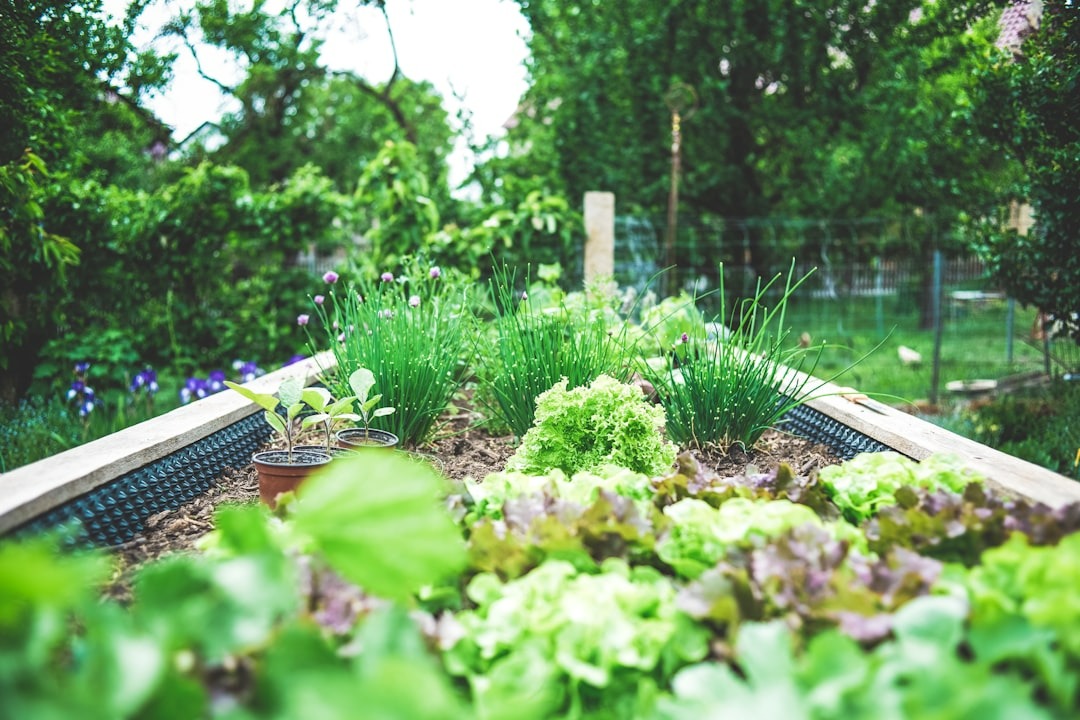
Sustainable living is about making choices that reduce your impact on the environment while maintaining, or even improving, your quality of life. It means using resources wisely, cutting down on waste, and thinking about the long-term effects of your daily choices, from what you eat to how you commute.
Let’s clear up a few common myths:
Sustainable Living is NOT:
- Achieving perfection or producing zero waste.
- Only for wealthy people who can afford expensive organic everything.
- About guilt, shame, or judging others.
- An all-or-nothing proposition.
- Giving up modern conveniences and living like it’s 1850.
Sustainable Living IS:
- Making gradual improvements that fit your lifestyle and budget.
- Progress over perfection, every small step counts.
- About both environmental AND financial benefits.
- Accessible to everyone, regardless of income level.
- Often, more convenient once new habits are established.
The goal isn’t perfection. It’s progress. Each day, try to do one thing a little better for the planet than you did yesterday. Over time, these small steps add up to real, lasting change.
Why Sustainable Living Matters More Than Ever in 2026
Given the significant influence of large corporations, are you still unsure whether your actions matter? You might be surprised to learn that zero-waste homes can save up to $5,000 annually by reducing food waste, slashing electricity costs, and avoiding pointless expenditures. Your decisions affect both your pocketbook and the environment. This is what is now taking place:
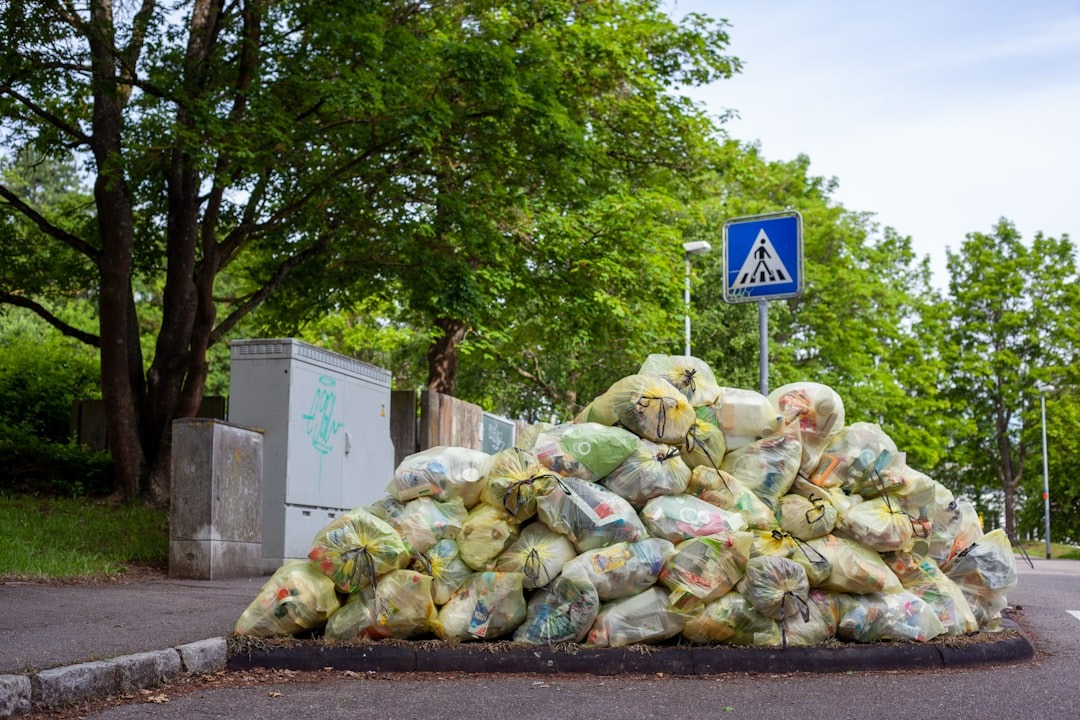
The Environmental Reality:
- Over the past 30 years, the annual global greenhouse gas emissions have increased by 50%.
- 9.5 million tonnes of food are wasted in the UK each year, resulting in unnecessary emissions.
- Single-use plastics continue to flood our oceans.
- Billions of pounds of non-recyclable materials end up in landfills each year.
The Good News:
- Sustainable products now have a 17% market share with a 32% share of growth.
- Digital technologies are projected to decrease global carbon emissions by up to 20% by 2050.
- 70% of U.S. consumers say they’re trying to adopt more sustainable habits to save money.
We’re heading in the right direction. Companies are paying attention, technology is making sustainable choices easier, and communities everywhere are proving that living sustainably can improve life for everyone.
7 Core Principles of Sustainable Living
See these principles as a starting point, not a checklist. You don’t need to do everything at once. Choose one or two that fit you best and begin there.
1. Reduce First, Then Reuse, and Finally Recycle
At the heart of sustainable living is this key question: Do I really need this? Before buying something new, even if it’s eco-friendly, pause and see if you can borrow, share, or use what you already have. The choice is to use what we already have. Reusing items—even those made of plastic—can be gentler on the planet than buying something new. And when it’s finally time for a replacement, that’s our chance to make a thoughtful, earth-friendly swap.
2. Choose Quality Over Quantity
It’s easy to want fast fashion, single-use gadgets, or cheap furniture, but these quick fixes often have hidden costs for us and the planet. Choosing quality items that last helps reduce waste and save money in the long run. Even something as simple as buying a sturdy water bottle means fewer replacements and less plastic in the environment. Every small change we make each day can help create a healthier future.
3. Be More Conscious of Energy Usage
Simple changes can lead to real savings for your energy bill and the planet. Switch to LED bulbs, unplug devices, and adjust your thermostat to use less energy. Every small step helps reduce our impact.
4. Be Mindful of What You Buy
Every purchase matters. It connects us to the people and places behind the things we use. Even if we don’t see every step, learning more and supporting brands that share our values helps us move toward a more sustainable future, one choice at a time.
5. Local and Seasonal Thinking
Every meal is a chance to make a difference. Visit local farmers’ markets, buy seasonal produce, and support local businesses. You’ll get fresher food, help lower emissions, and strengthen your community. Simple steps like meal planning, composting, buying in bulk, and choosing products with less packaging help prevent waste before it starts.

7. Continuous Learning
Sustainable living is a journey we take together, learning and growing as we go. New ideas and solutions are always coming up, and mistakes are just part of learning. Stay curious, share what you find, and remember that no one has all the answers. Each small action brings us closer to the change we want.
Ways to Implement These Sustainable Living Tips One Room at a Time
Let’s get practical. Here’s how you can make your home more sustainable, one room at a time.
Kitchen: Where the Magic (and Waste) Happens
The kitchen is where we often create the most household waste, but it’s also where small, thoughtful changes can make a big difference.
Start Here:
- Switch single-use plastic bags for reusable shopping bags, and keep them by your door so they’re easy to grab. If you forget them, don’t worry. Just try again next time. Every small effort counts.
- Pick reusable food storage options like glass containers or even clean and reuse pasta sauce jars. Simple swaps like these help reduce waste and make a difference over time.
- Take a little time to plan your meals for the week. This helps you avoid food and money waste, makes grocery shopping easier, and keeps you focused on what you truly need.
- Try composting, even if you live in an apartment. A small countertop bin or a simple worm composter can turn your kitchen scraps into something useful and help nourish the earth.
- Consider investing in high-quality cookware, such as a sturdy cast-iron skillet that can last for generations. Choosing well-made pieces means less waste and more delicious meals for years to come.
Next Level:
- Buy in bulk to reduce packaging (and costs).
- Choose loose produce over pre-packaged.
- Make your own cleaning products using vinegar, baking soda, and water for most cleaning tasks.
- Install a water filter instead of buying bottled water. This can save you hundreds of dollars each year.
Skip Unless You’re Ready:
- Making everything from scratch (it’s okay to buy things!)
- Expensive zero-waste specialty stores
- Throwing out perfectly good items to buy “sustainable” versions

Bathroom: Small Space, Big Changes
Start Here:
- Bar soap and shampoo: Eliminates plastic bottles, lasts longer, and costs less
- Bamboo toothbrush: Under $5 and biodegradable
- Reusable cotton rounds: Stop buying single-use cotton pads
- Low-flow showerhead: Saves water and money, and pays for itself in just a few months.
- Toilet paper: Choose recycled or bamboo options (same price as regular)
Next Level:
- Safety razor (saves $100s on cartridges annually)
- Natural deodorant and skincare
- Menstrual cups or period underwear (massive long-term savings)
- DIY beauty products
Bedroom: Sustainable Comfort
Start Here:
- Choose organic cotton or bamboo sheets for your bed. These natural materials offer comfort and durability, helping you create a restful space that’s gentle on the earth.
- When you update your wardrobe, look for clothes made from cotton, linen, wool, or hemp. These natural fibers are better for the earth and feel good to wear.
- Explore thrift stores, consignment shops, or online resellers for unique finds. Shopping secondhand gives clothes a new life and helps reduce waste.
- Before adding anything new to your closet, take a moment to see what you already have. Sometimes, rediscovering old favorites is the most sustainable choice of all.
Home Office: Working Green
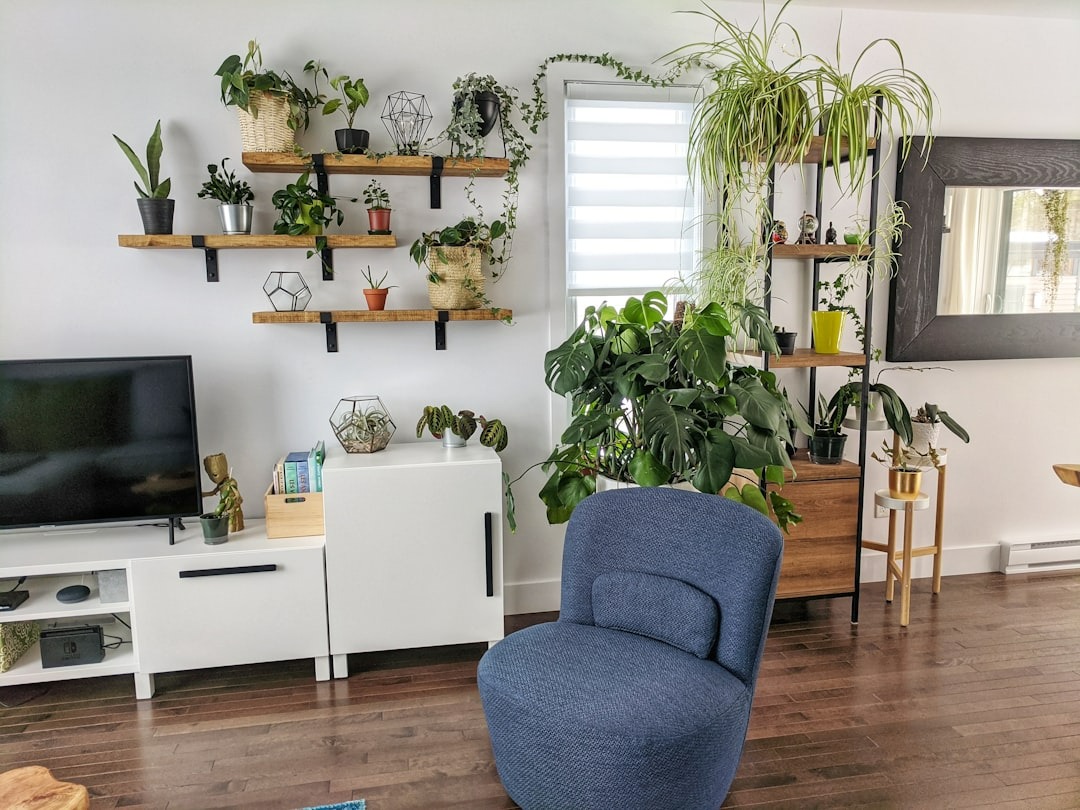
Start Here:
- Use digital documents whenever possible to reduce printing and save paper.
- Keep a reusable water bottle at your desk to stay hydrated and reduce single-use plastic.
- Plug your electronics into a power strip so you can turn everything off at once at the end of the day. This saves energy with a straightforward step.
- Set up your workspace near a window to take advantage of natural light, and choose LED bulbs to brighten your space while using less energy.
Common Sustainable Living Mistakes Beginners Make (And How to Avoid Them)
Learning from others can help you avoid common mistakes as you start living more sustainably. Here are a few challenges many people face at first:
Mistake #1: Trying to Do Everything at Once
Trying to go zero-waste, vegan, and plastic-free all at once is the fastest way to burn out. Sustainable living works best when it fits your real life.
Fix: Choose one room or one category to focus on for the next month. Master that, then move on to the next. Slow progress is still progress.
Mistake #2: Buying All the “Eco” Things
It’s tempting to buy the latest eco-friendly products, but real sustainability often starts at home. Using what you already have is one of the simplest and most effective ways to help the planet.
Fix: Use your belongings until they wear out. If you have plastic containers, keep using them. Swap light bulbs for LEDs only when the old ones stop working. Every small choice adds up.
Mistake #3: Falling for Greenwashing
Companies know people want to make better choices, and some take advantage of this. Labels like “natural,” “eco-friendly,” or “green” often don’t mean much unless they’re backed by real certification.
Fix: Look for real certifications (Fair Trade, Certified Organic, B Corp, Energy Star). Research brands before you buy. If something sounds too good to be true, it probably is.
Mistake #4: Perfectionism Paralysis
“If I can’t be perfect, why bother?” This kind of all-or-nothing thinking holds more people back than anything else. Doing a little every day is much more valuable than trying to be perfect and giving up. Your imperfect efforts matter.
Mistake #5: Ignoring What You Already Know
You probably already know many sustainable habits, but just haven’t started them. Turning off lights, planning meals, and fixing things instead of replacing them aren’t new ideas.
Fix: Write down three things you know you should do but haven’t started yet. Begin with those. Sometimes, it’s more about acting on what you already know than learning something new.
Mistake #6: Not Considering Your Actual Lifestyle
A fancy menstrual cup or cloth napkin system might work for some, but not if you travel a lot for work. Sustainable living looks different for everyone.
Fix: Choose swaps that fit your life. If you eat out every day, focusing on home cooking might not work. Instead, try bringing reusable utensils and containers for takeout.
Mistake #7: Forgetting the Budget
Sustainability shouldn’t cost more in the long run, but some people end up buying expensive “eco” products that strain their budgets.
Fix: Many sustainable habits actually save money, such as using LED bulbs, eating less meat, buying secondhand, and planning meals. Focus on these first. The expensive items can wait.
30-Day Sustainable Living Challenge
Ready to start? This challenge breaks your first month into simple, daily steps. No overwhelm, no judgment, just steady, positive progress.
Week 1: Assessment & Easy Wins
- Day 1-2: Track your waste for 48 hours (observe, don’t change anything)
- Day 3: Replace one light bulb with an LED
- Day 4: Set up a reusable bag station by your door
- Day 5: Plan next week’s meals
- Day 6: Start a “Fix It” list of items that need repair instead of replacement
- Day 7: Rest day (sustainable living includes sustainability)
- Day 7: Rest day (remember, sustainable living also means taking care of yourself)
- Day 10: Make your own all-purpose cleaner (vinegar + water + essential oils)
- Day 11: Buy one item in bulk
- Day 12: Start a compost collection container
- Day 13: Try a new vegetarian meal
- Day 14: Calculate food waste savings
Week 3: Energy & Water
- Day 15: Unplug devices you don’t use daily
- Day 16: Take a 5-minute shorter shower
- Day 17: Adjust thermostat by 2 degrees
- Day 18: Fix one leaky faucet or running toilet
- Day 19: Switch to cold water laundry
- Day 20: Calculate energy savings so far
- Day 21: Rest day
Week 4: Consumption & Community
- Day 22: Shop your closet—create 3 “new” outfits from existing items
- Day 23: Research one sustainable local business
- Day 24: Borrow instead of buying something you need
- Day 25: Learn one repair skill (sewing a button, fixing a zipper, etc.)
- Day 26: Share your journey with one friend or family member
- Day 27: Buy one secondhand item
- Day 28-30: Reflect on changes, celebrate wins, plan next month
Track your progress however feels right to you: a journal, an app, or even just mental notes. Remember, the goal isn’t perfection; it’s building habits that last.
Cost Analysis: The Real Savings Breakdown
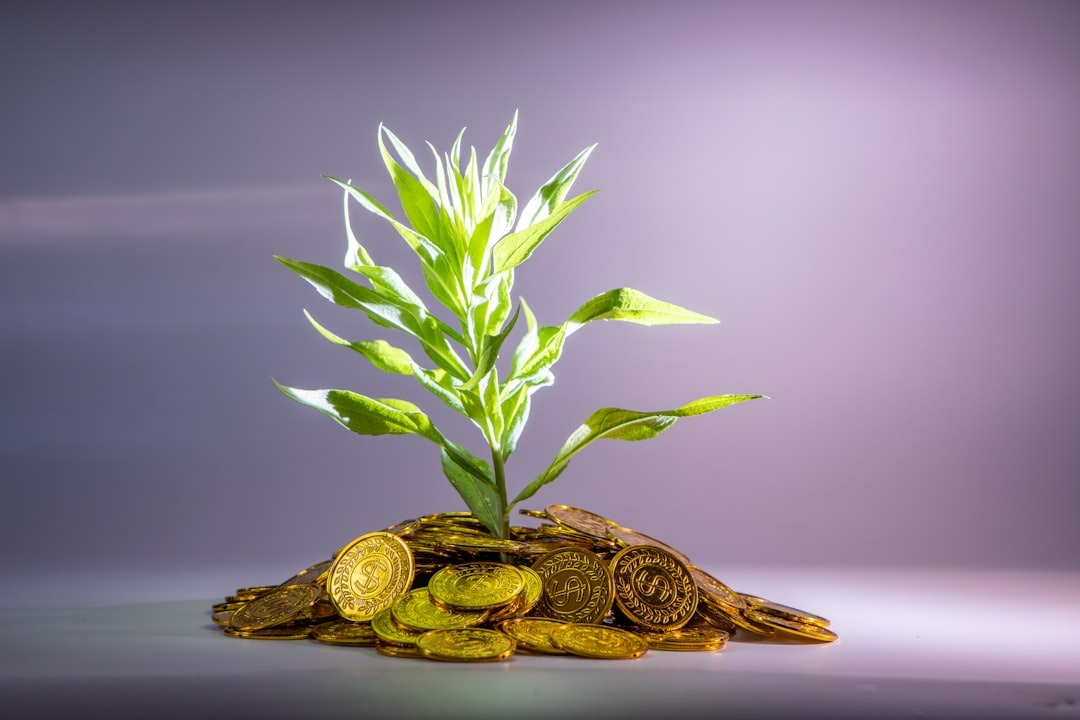
Let’s talk about money. The truth is, living more sustainably often saves you money, especially once you move past the urge to buy every new “eco” product.
Year One Investment vs. Savings
Typical First-Year Investments:
- LED bulbs for the whole house: $50
- Reusable bags, containers, bottles: $100
- Quality kitchen basics: $150
- Basic home energy improvements: $200
- Total Investment: ~$500
First Year Savings:
- LED lighting saves $225 annually on energy costs
- Meal planning and food waste reduction: $1,200
- Reduced takeout with meal planning: $800
- Water bottle vs. buying bottled: $400
- Lower utility bills (energy consciousness): $300
- Buying secondhand: $600
- Total First-Year Savings: ~$3,525
Net Gain in Year One: +$3,025
Five-Year Outlook
Once you’ve made initial investments, costs drop dramatically while savings compound:
Ongoing Annual Savings:
- Energy efficiency: $500+
- Food (waste reduction + meal planning): $1,500
- Water conservation: $150
- Secondhand shopping: $600
- Reduced consumption: $800
- Quality items lasting longer: $400
- Annual Savings: ~$3,950
Five-Year Total: $19,750 saved
These aren’t just numbers on paper. Many people report saving $4,000 to $5,000 a year by making simple, sustainable changes in their daily lives.
Hidden Benefits
Beyond direct savings, sustainable living often brings:
- Better health (less processed food, better air quality)
- Less stress (less clutter, fewer decisions)
- More time (meal planning, fewer shopping trips)
- Improved well-being (connection to values)
You don’t have to give things up. Sustainable living means making the most of what you already have and choosing carefully when you need something new.
Sustainable Living Resources and Next Steps
You’ve learned the basics. Now, let’s keep going. Here are some next steps you can try:
Continue Your Education
- Your local library: Free books, documentaries, and often borrowable items (tools, games, even kitchen gadgets)
- Community workshops: Many cities offer free classes on composting, repair, and gardening
- Online communities: Connect with people who share your interests, like zero waste, sustainable fashion, eco-friendly living, or parenting.
- Category-specific guides: Explore kitchen, bathroom, bedroom, and office deep-dives
Find Your Support System
It’s hard to do this alone. Find others who are on the same journey:
- Local Buy Nothing groups (free stuff, community connection)
- Farmers market regulars (you’ll become friends with vendors)
- Repair cafes and tool libraries
- Environmental organizations seeking volunteers
Essential Sustainable Living Tools
Apps & Digital Resources:
- Good On You: Rates fashion brands on sustainability
- Think Dirty: Scans beauty products for harmful ingredients.
- Too Good To Go: Rescue food from restaurants/stores at discounts
- Olio: Share food with neighbors
- iNaturalist: Citizen science app to learn about local ecosystems
Starter Kit Essentials (prioritize these):
- Reusable water bottle (stainless steel or glass)
- Shopping bags (keep them everywhere: in your car, bag, or coat pocket)
- Food storage containers (glass preferred, but your existing plastic works)
- LED bulbs (replace as old ones burn out)
- Reusable coffee cup (if you buy coffee out)
When You’re Ready to Go Deeper
Interested in specific areas? Explore guides for:
- Sustainable fashion for different budgets and styles
- Zero-waste bathroom complete transformation
- Eco-friendly kitchen for renters vs. homeowners
- Green cleaning recipes and product reviews
- Plant-based eating for flexitarians to full vegan
Your Sustainable Living Journey Starts Now
Remember, sustainable living isn’t about perfection or a flawless home. It’s about showing up, learning as you go, and making small, meaningful changes every day.
Some days you’ll forget your reusable bags, order takeout that creates extra waste, or buy something you don’t need. That’s okay. Every new day is another chance to try again.
The beautiful thing about this journey is that you’re not alone. Today, 62% of people say they often look for environmentally sustainable products, up from just 27% a few years ago. Millions are figuring this out alongside you, making mistakes, celebrating wins, and creating real change together.
Start with one small step from this guide, like planning your meals, organizing your reusable bags, or trying the 30-day challenge. Pick what feels meaningful to you and start there.
Next month, add another small change. Over time, these habits will feel natural. Your actions might even inspire others to start their own journey.
The planet doesn’t need a few people doing everything perfectly. It needs millions of us making small, meaningful changes. Welcome to the journey. Every step you take truly matters.
Want to learn more? Check out our blog about sustainable New Year’s resolutions and other detailed guides on sustainable swaps for every room, product recommendations, and real-world strategies that work. The best time to start was yesterday, but the next best time is now.
Remember, we’re all at different points on this journey, and every small swap counts.

Leave a Reply