

Your morning coffee, a quick lunch, the evening cleanup—these everyday moments in the kitchen feel simple, even comforting. Yet, when we look a little closer, we see that our daily kitchen habits, multiplied across millions of homes, quietly shape the world around us.
We’re not here to make you feel guilty about your kitchen habits; we’re all going through this together. But understanding the real environmental impact of kitchen waste is the first step toward making meaningful changes that actually fit your life and budget.
Why Your Kitchen Is Ground Zero for Environmental Change
It might surprise you, but the kitchen is where many of our daily choices have the biggest impact on the environment. From food scraps and plastic packaging to the energy we use and the cleaners we reach for, what happens in our kitchens sends ripples far beyond our homes, touching rivers, oceans, and the air we all share.
According to recent United Nations data, households are responsible for 60% of global food waste; that’s 631 million tons annually. And that’s just one piece of the puzzle. When you add in the plastic packaging, disposable products, and energy used for cooking, the numbers become staggering.
The hopeful part? Because our kitchens matter so much, even the smallest changes can make a real difference. You don’t have to change everything at once; just noticing what happens when you toss a takeout container or run the dishwasher is a powerful first step.
7 Common Kitchen Habits and Their Environmental Effect

1. Single-Use Plastics: The Lifecycle Cost from Production to Ocean Pollution
That plastic wrap you used once and tossed? It’s still here on Earth, and it will be for the next 200 to 450 years.
The United States alone discards nearly 100 million plastic utensils every day. Worldwide, we produce about 9,200 metric tons of plastic annually, with a large portion going to single-use kitchen items. Here’s what that really means:
- The production phase: Every plastic fork, bag, and wrapper starts with fossil fuels. Manufacturing these items releases between 1.5 and 12.5 million metric tons of carbon dioxide annually just from fuel extraction and transportation. The refining process adds another 213 million metric tons of greenhouse gases each year.
- The use phase (or lack thereof): Most kitchen plastics are used for only minutes or hours. Research shows that 93% of water in plastic bottles contains microplastics, and these tiny particles have been found everywhere from Mount Everest to the Mariana Trench.
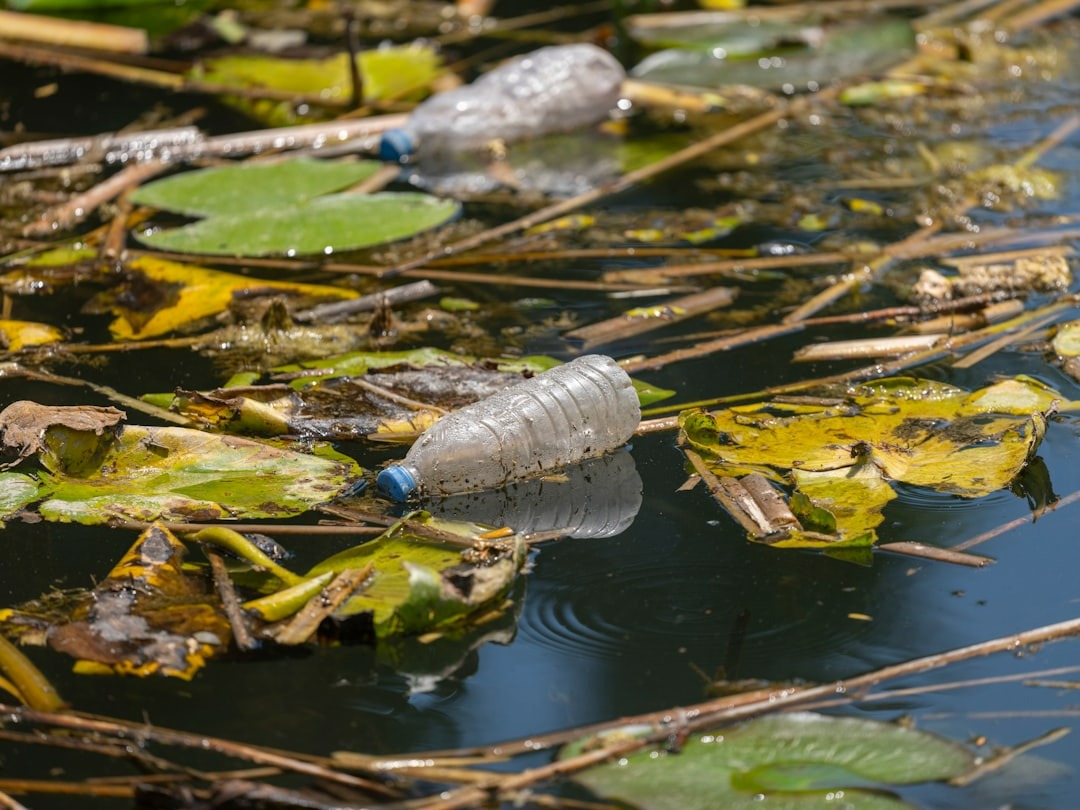
- The disposal nightmare: An estimated 8 million metric tons of plastic enter our oceans annually, of which 6 million are single-use items like utensils and bags. Food and food packaging materials make up almost half of all municipal solid waste. Only 8.7% of generated plastics were recycled in 2018; the rest went to landfills, where they break down into microplastics that contaminate soil and water and eventually enter the food chain.
2. Food Waste: Methane Emissions and Wasted Resources
Here’s a number that should make us all pause: in 2024, the U.S. wasted 63 million tons of food. That’s 115 billion meals’ worth, valued at $384 billion.
Households account for 40-50% of all food wasted in the United States, roughly 26.5 million tons every year. The environmental impact of kitchen waste from food alone is mind-boggling:
- Climate impact: Food loss and waste generate 8-10% of global greenhouse gas emissions. That’s almost five times the total emissions from the entire aviation sector. When food rots in landfills, it produces methane, a greenhouse gas that’s significantly more potent than carbon dioxide.
- Resource waste: Think about everything that went into producing that food you threw away:
- Water equivalent to supplying more than 50 million homes.
- Energy consumption is equal to 42 coal-fired power plants running for a year.
- Agricultural land equal to the combined area of California and New York.
- All the fertilizer used in the U.S. is used to grow plant-based foods for human consumption.
Each bit of food we throw away carries with it all the water, land, energy, and care that went into growing it. When we waste food, we’re also letting go of the resources and hard work that brought it from the farm to our tables.
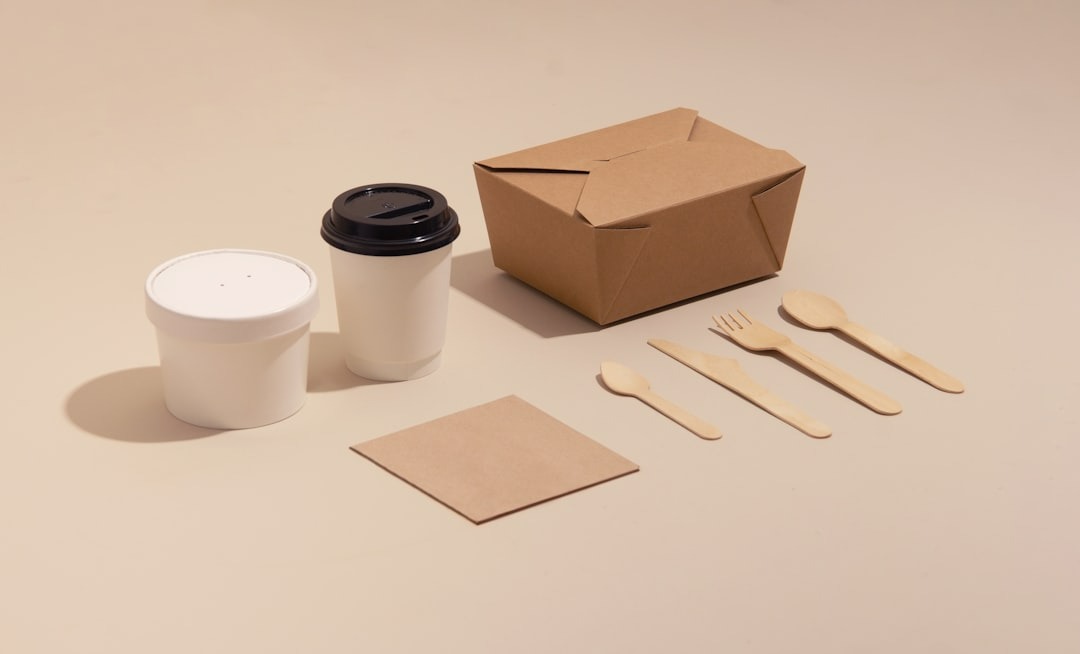
3. Disposable Paper Products: Deforestation and Water Usage
“But paper is biodegradable!” you might think. True, but the conversation about sustainable kitchen habits around paper products is more complex than that.
Paper towels, napkins, and disposable plates require massive amounts of resources to produce:
- Deforestation contributes 1.6 billion metric tons of carbon dioxide annually, including paper product manufacturing.
- Water-intensive production processes that strain local water supplies.
- Energy consumption during manufacturing and transportation.
- Landfill accumulation (even biodegradable items need proper conditions to break down, which most landfills don’t provide).
4. Energy-Intensive Cooking Methods and Kitchen Habits: Carbon Footprint Analysis
Here’s something most people don’t think about: the way you cook can account for 6-61% of total emissions associated with specific foods.
The cooking carbon breakdown:
- Gas stoves deliver only 6% efficiency, while electric ovens achieve 11% efficiency.
- Electric induction cooktops are significantly more efficient, with an 85% energy transfer.
- Average cooking emissions are approximately 98 grams of CO₂ equivalent per megajoule of energy.
- For some foods, such as pasta, the cooking phase can account for 45-63% of the product’s total cradle-to-grave carbon footprint.
In the U.S., about 32% of households use natural gas stoves, 61% use electric stoves, and the remainder use propane stoves. Each has different environmental impacts, with cooking methods like roasting generally having the largest carbon footprint and microwaving the smallest.
5. Bottled Beverages: Transportation and Packaging Impact
The bottled beverage industry creates a double environmental hit: production pollution and transportation emissions.
Every bottled drink you purchase has traveled an average of 1,500 miles to reach you, consuming fossil fuels at every stage of production. The packaging alone, from plastic bottles to aluminum cans, requires resource extraction, energy-intensive manufacturing, and creates waste that persists for centuries.
The real cost:
- The production of bottles and cans produces substantial greenhouse gas emissions.
- Transportation emissions from shipping heavy liquids across long distances.
- Only a small percentage of bottles are actually recycled.
- Those that aren’t recycled break down into microplastics that contaminate drinking water.
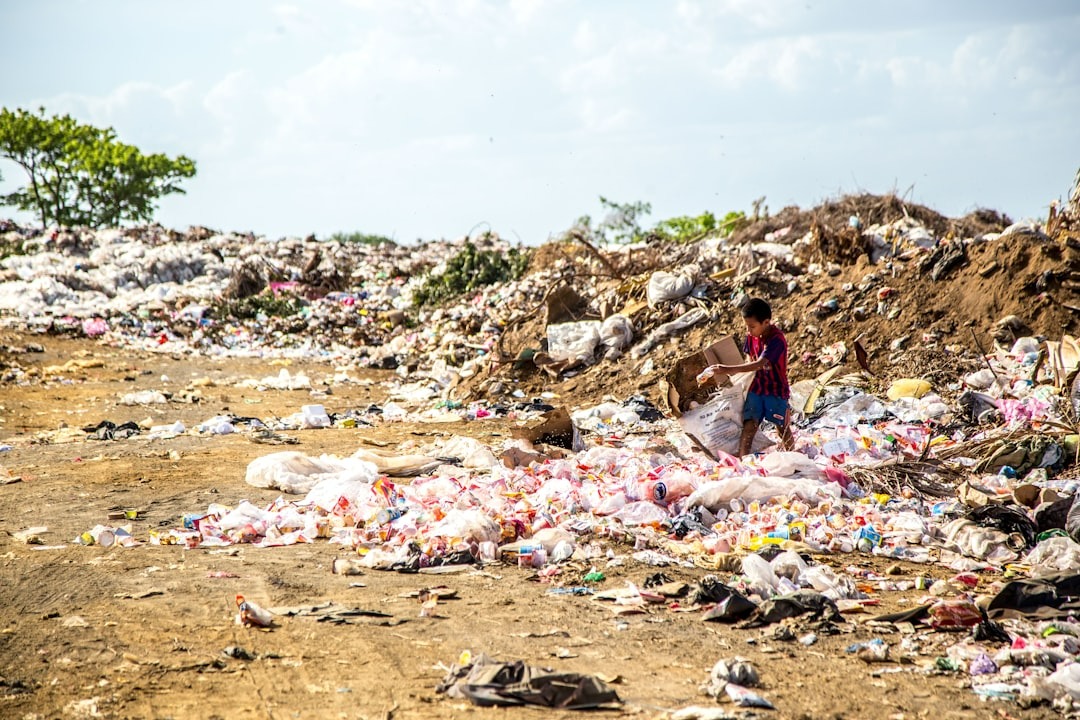
6. Non-Recyclable Packaging: Landfill Accumulation Data
In 2014, out of 258 million tons of municipal solid waste generated in the U.S., more than 63% consisted of packaging materials. Food packaging demands two-thirds of all packaging industry materials.
Much of today’s packaging is made for single use and isn’t truly recyclable, even if it looks like it should be. Tossing these items in the recycling bin with good intentions can actually cause more harm by contaminating the recycling process.
Much of this packaging ends up in landfills, where it occupies space for centuries, releases methane as organic components decompose, and leaches chemicals into groundwater. One-third of all discarded plastic ends up in soil or freshwater, creating microplastic pollution that’s estimated to be four to 23 times more severe than ocean plastic pollution.
7. Chemical Cleaners: Water System Contamination
Every time you spray that all-purpose cleaner or pour drain cleaner down the sink, where do you think it goes?
The chemicals in conventional cleaning products don’t just disappear. They flow into wastewater treatment facilities, and while these systems are made to remove contaminants, they’re not equipped to filter out everything. Eco-friendly cooking practices should extend to cleaning, too.
The contamination cascade:
- Phosphates (found in 30-40% of dishwasher detergents): Wastewater treatment facilities can only filter out about 30% of phosphates. The remaining 70% enters waterways, where it causes eutrophication, excessive algae growth that depletes oxygen and creates “dead zones” where no aquatic life can survive.
- Nitrogen and ammonia (in floor cleaners, glass cleaners, and multipurpose sprays): These chemicals aren’t removed by waste treatment processes. They enter waterways and act as fertilizers, causing explosive plant growth that upsets ecosystems.
- Volatile Organic Compounds (VOCs): These contribute to indoor air pollution, outdoor smog, and the formation of ground-level ozone. They can trigger lung problems and contribute to climate change.
- Triclosan (in antibacterial soaps): 96% of products containing this chemical are flushed down drains. It bioaccumulates in aquatic species, with levels of 500-1,400 micrograms per kilogram found in snails and algae.
The Chain Reaction: How Individual Kitchen Habits Scale Globally
Let’s do some quick math that puts this into perspective.
If just 10% of American households made these five simple changes, here’s what would happen annually:
- Switching to reusable water bottles: Preventing 1.2 billion plastic bottles from entering waste streams
- Reducing food waste by 25%: Saving approximately 6.6 million tons of food and preventing roughly 400,000 tons of methane emissions
- Using reusable shopping bags: Eliminating over 8 billion plastic bags from circulation
- Switching to natural cleaning products: Reducing water contamination by millions of gallons
- Choosing energy-efficient cooking methods: Cutting household carbon emissions equivalent to removing 500,000 cars from the road.
These numbers can feel distant, but every kitchen choice matters, especially when we remember that millions of us are making these choices together. When we act as a community, our impact grows far beyond what any one of us could do alone.
Understanding the Psychology of Convenience Culture
Here’s the unpleasant truth: we know most of this stuff is bad for the environment, so why do we keep doing it?
Because modern life is built around convenience, and convenience frequently comes wrapped in plastic, delivered in single-use containers, and designed to save us time at the expense of the planet.
It’s not about being lazy or careless. Most of us are simply busy and stretched thin. For years, companies have made disposable products the easy choice, shaping our habits around what’s quick and convenient.
But things are changing. More of us are realizing that what seems convenient now can create bigger problems down the road. Carrying a reusable bottle might take a little more effort, but it helps keep plastic out of our oceans and communities.
Moving beyond convenience culture isn’t about making life harder. It’s about choosing the habits that truly support us and letting go of those that create problems for our future selves and our planet.
Case Study: Comparing Environmental Impact of Different Kitchen Habits Over 1 Year
Let’s compare two households with identical cooking habits, food consumption, and cleaning routines. The only difference is their approach to sustainability.
Household A (Conventional habits):
- Uses single-use plastics, paper towels, and packaged goods freely
- Wastes approximately 25% of purchased food
- Uses chemical cleaners throughout the home
- Cooks with standard electric appliances with no efficiency considerations
- Purchases bottled beverages regularly
Annual environmental impact:
- Generates approximately 2,800 pounds of waste
- Creates roughly 16 metric tons of CO₂ equivalent emissions
- Sends approximately 185 gallons of chemical-contaminated water into the system
- Consumes 8,400 plastic bottles and bags
- Spends $8,200 on food (with $2,050 going to waste)
Household B (Eco-friendly Kitchen Habits):
- Uses eco-friendly options for most kitchen needs
- Reduces food waste to under 10% through planning and composting
- Uses natural cleaning alternatives
- Employs energy-efficient cooking methods
- Uses filtered tap water and home beverage preparation
Annual environmental impact:
- Generates approximately 950 pounds of waste (66% reduction)
- Creates roughly 9 metric tons of CO₂ equivalent emissions (44% reduction)
- Sends approximately 35 gallons of chemical-contaminated water into the system (81% reduction)
- Consumes approximately 650 plastic items (92% reduction)
- Spends $6,800 on food, with only $680 going to waste
The result? Household B kept 1,850 pounds of waste and 150 gallons of chemicals out of our environment, cut 7 metric tons of carbon emissions, and saved $1,400 a year—all without sacrificing good food or a clean home.
Kitchen’s Carbon Footprint
Want to know your personal impact? Here’s a simple framework:
- Food Waste: Multiply your weekly grocery spending by 0.25 (average waste percentage) = annual food waste in dollars. Multiply by 0.8 to estimate the carbon footprint in pounds of CO₂.
- Single-Use Plastics: Count how many plastic items you use weekly (bags, bottles, utensils, wrap, containers). Multiply by 52, then by 0.15 pounds of CO₂ per item.
- Energy Consumption: Check your utility bills to track kitchen appliance usage. Every kilowatt-hour equals approximately 1.2 pounds of CO₂ for average U.S. grid electricity.
- Chemical Cleaners: Number of chemical cleaning products used monthly × 2.5 pounds of CO₂ equivalent per product × 12 months.
Add these together for your annual kitchen carbon footprint. The average American kitchen generates between 12 and 18 metric tons of CO₂ equivalent annually.

The Power of Working Together: What Happens When Communities Change
Individual action matters, but collective action transforms systems.
When the Pacific Coast Food Waste Commitment brought together grocery retailers and local jurisdictions, participating stores decreased unsold food by 25% over three years, nearly 190,000 tons valued at $311 million. They also increased food donations by 20% and composting by 28%, resulting in a 30% decrease in the total carbon footprint of unsold food.
When communities demand change, businesses respond. Some cities have enacted plastic bag bans, saving millions of bags from entering waste streams. Schools switching to reusable tableware have triggered conversations that changed household habits. Farmers’ markets reducing packaging have influenced how people shop everywhere.
Your individual choices create a demonstration effect; when neighbors, coworkers, and family members see you making sustainable kitchen habits work, they realize they can do the same. That’s how movements start.
Moving Forward Without Overwhelm
Look, we’ve covered a lot of heavy information here. The scale of the environmental impact created by kitchen waste can feel overwhelming. But here’s what we want you to remember:
You don’t have to be perfect or change everything at once. Every small step forward is a win.
Maybe this week you can try a reusable bag. Next month, you might start composting. Over time, you could swap out chemical cleaners for natural ones. Each choice adds up.
Our kitchens are at the heart of environmental change because we make so many choices there, every single day. That’s our advantage—each meal, each shopping trip, each cleanup is a new chance to do something good.
We’re all learning together, one kitchen at a time. Every swap, no matter how small, truly counts. If you’re now eager to get started, feel free to read our Complete and Easy Guide to Sustainable Living for Beginners in 2026.
Leave a Reply